
Change Enablement & Organisation Agility6 min watch
Video insight: Grange’s Adoption Engine™
Watch our video introduction to Grange’s Adoption Engine™ and explore adoption beyond go-live.
The Grange Team
30 September 2026

Thought leadership, industry insights, and practical guidance to help you navigate the challenges of modern business.
Watch our video introduction to Grange’s Adoption Engine™ and explore adoption beyond go-live.

The Kinaxis roadmap brings more AI, automation and Maestro Web capability. The real question is whether planning teams are becoming more capable alongside the platform.

AI readiness is not just a technology milestone. Lasting value depends on governance, standardised processes, capability, trust and clear accountability for adoption.

The gap between buying a system and getting value from it isn't a technology gap. It's an ownership gap. Somewhere between go-live and business as usual, adoption stops being anyone's job.
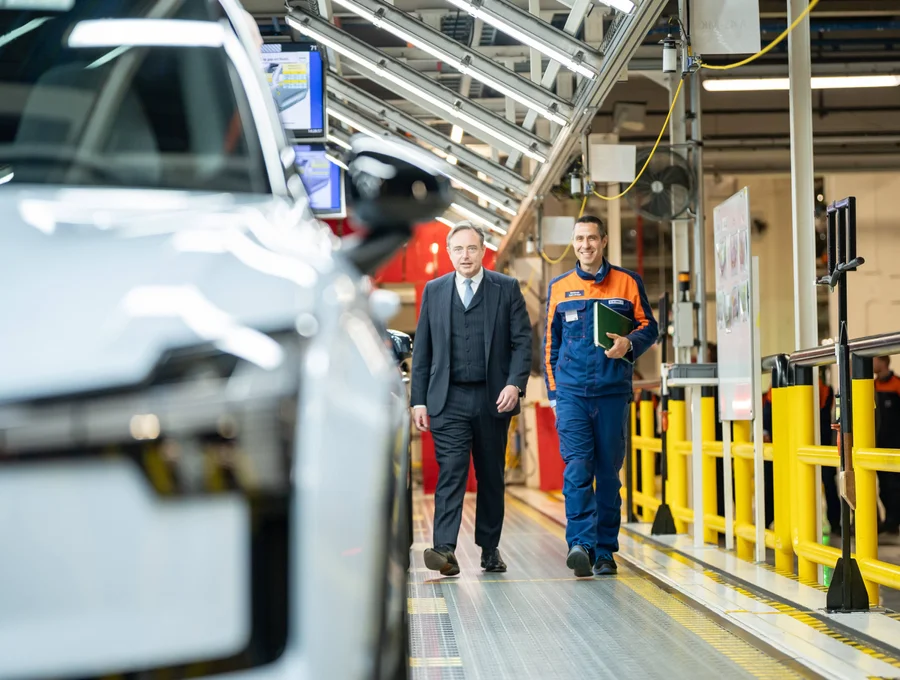
Kinaxis Maestro promises real-time inventory visibility, scenario simulation, and smarter decisions. In practice, the return rarely comes from the platform going live - it comes from planners trusting the system enough to actually work through it, not around it.

When organisations plan for a new supply chain platform, the conversation often centres on technology. Yet before any new platform enters the room, it is worth asking whether the right foundations - trust, understanding, and decision-making confidence - are already in place.

Most system implementations start with a thorough plan and a clear business case. Yet somewhere between go-live and the expected results, things stall. This is not a technology failure - it is a change management failure. And it is far more common than most post-implementation reviews are willing to admit.

Most supply chain improvement efforts begin with a simple idea: find the constraint, fix it, and performance will improve. That is no longer the reality. Today, the constraint refuses to stay still - and that changes everything about how supply chains need to plan and respond.

In many Kinaxis Maestro implementations, training is treated as a final checklist item. But training alone does not drive adoption - and adoption is what ultimately unlocks value from any Maestro investment.
Every year, supply chain organisations invest heavily in new planning systems. Somewhere between go-live and the expected return on investment, something goes wrong. Not with the technology. With the people who are supposed to use it.
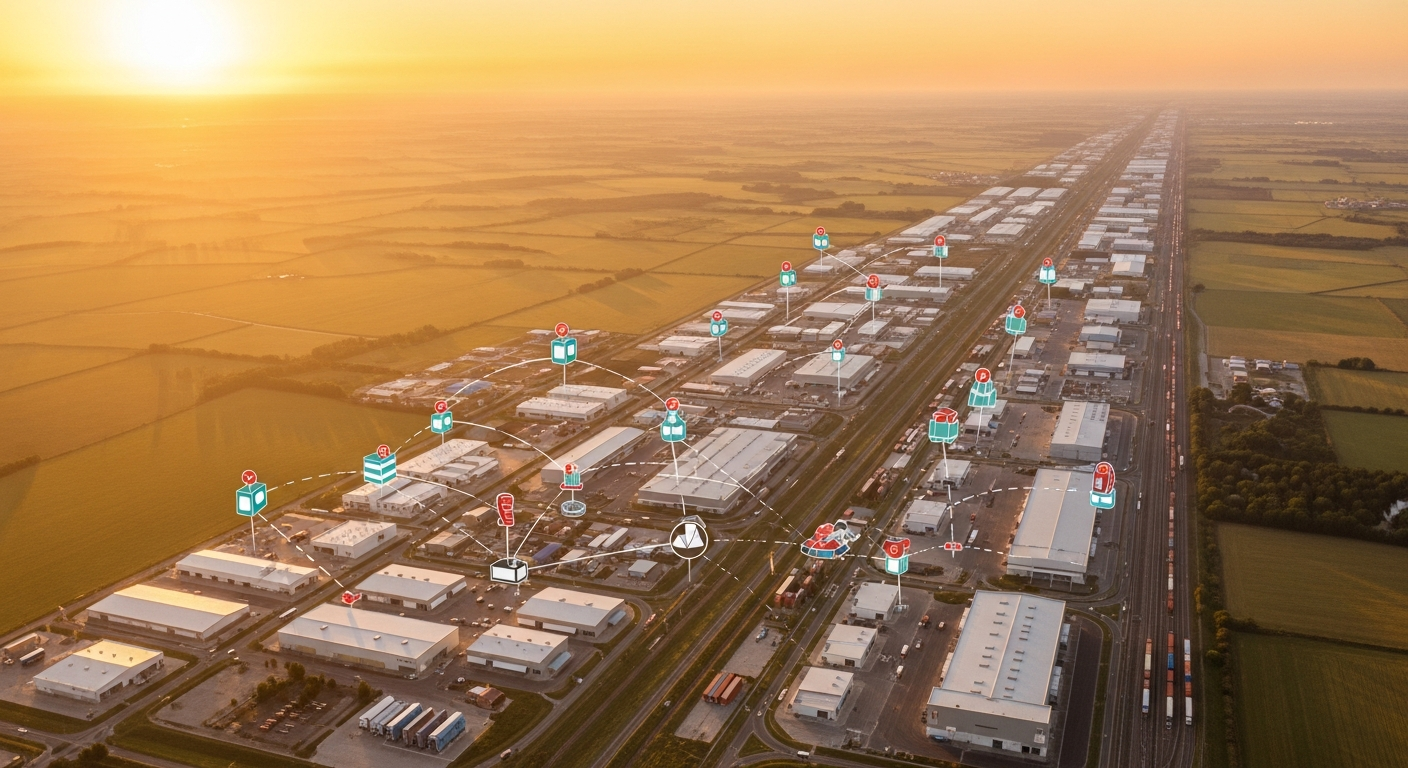
Most supply chain planning teams are drowning in the week. Expediting orders, firefighting demand spikes, chasing late supplier updates. The shift from reactive to proactive planning is not primarily a technology challenge. It is a capability and culture challenge.

We talk a great deal about the speed of AI implementation. We rarely talk about the cost of adoption. That imbalance is where most AI value goes to die, and the data is unambiguous about why.
Organisations spend years selecting and implementing digital planning systems. Most spend far less time building the capability their teams need to use them well. That imbalance is where transformation stalls.

Three bodies of independent research now point in the same direction. Organisations using advanced supply chain planning systems outperform those that do not, across revenue, cost, inventory, and resilience. The gap is material. The question is what it takes to actually realise it.

New Gartner research highlights just how much of the AI value equation depends on people. The numbers are sobering, but they also point to something genuinely exciting for the organisations willing to invest in both sides of the equation.

Most ERP and digital planning projects are judged on go-live day. They shouldn't be. The decisions, behaviours, and capabilities that determine whether a transformation delivers value are locked in long before that date.

Organisations focus intently on what a new planning system will cost to implement. Far fewer calculate what it costs when the system goes live but the people never truly adopt it. That gap is where value goes to die.
As organisations look toward 2026, the conversation around AI has shifted. The question is no longer whether to explore AI...

The recent Economist Impact article on supply chain's big bet on AI for geopolitical resilience got us thinking...

Change initiatives often falter due to poor or delayed communications. Grange has developed a generative AI agent...

Why upskilling matters more than ever, and how Grange helps organisations build the capability to transform. The biggest barrier to unlocking value isn't technology itself. It's capability.

The supply chains of tomorrow will run on more than technology. They will run on people who can make E2E, data enabled decisions in complex, fast-moving environments.

Sustainability targets are now a staple of corporate strategy, but publishing a target is the easy part. Discover how to embed green supply chains into daily decisions.

Supply chain leaders know disruption is no longer a rare exception, it's a permanent backdrop. Discover how to build supply chains that bounce forward, not just back.

For more than two decades, Grange has helped organisations strengthen, stabilise, and transform their supply chains. Discover why enablement is at the core of everything we do.

Why better models aren't enough - and how behaviours unlock agility.

How leaders can unlock adoption of AI, automation, and digital twins.
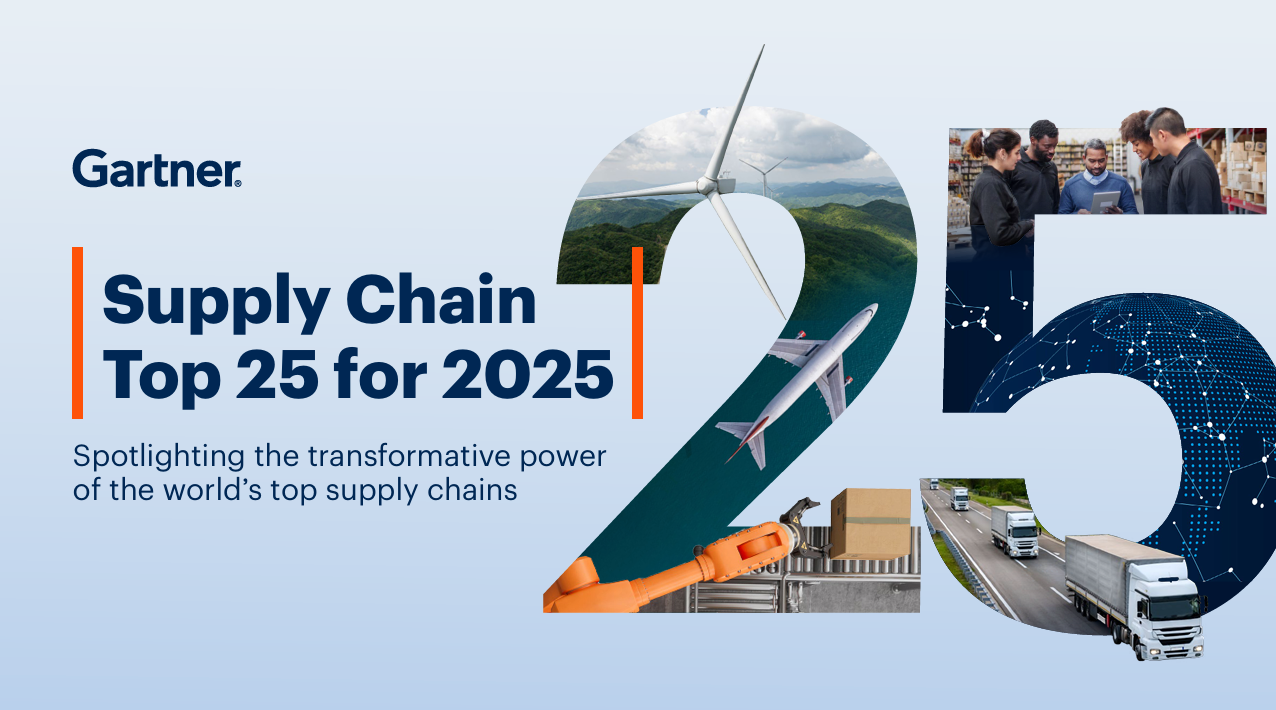
Discover key insights from Gartner's Top 25 Supply Chains for 2025 and learn how industry leaders are building resilient, future-ready operations.
Artificial Intelligence isn't just a technology trend - it's a business imperative. Here's how smart leaders are approaching AI transformation to drive real value.

The skills gap is widening. Here's how forward-thinking organisations are building capabilities that will thrive in an increasingly digital world.

As we move into 2025, supply chain leaders must navigate an increasingly complex landscape. Here are the key trends that will define the next wave of supply chain transformation.

Change initiatives fail at alarming rates. Based on our experience with Fortune 500 companies, here are the seven factors that separate successful transformations from costly failures.